
Advancing nanomaterial-based technologies for biosensing, optical engineering, and point-of-use diagnostics
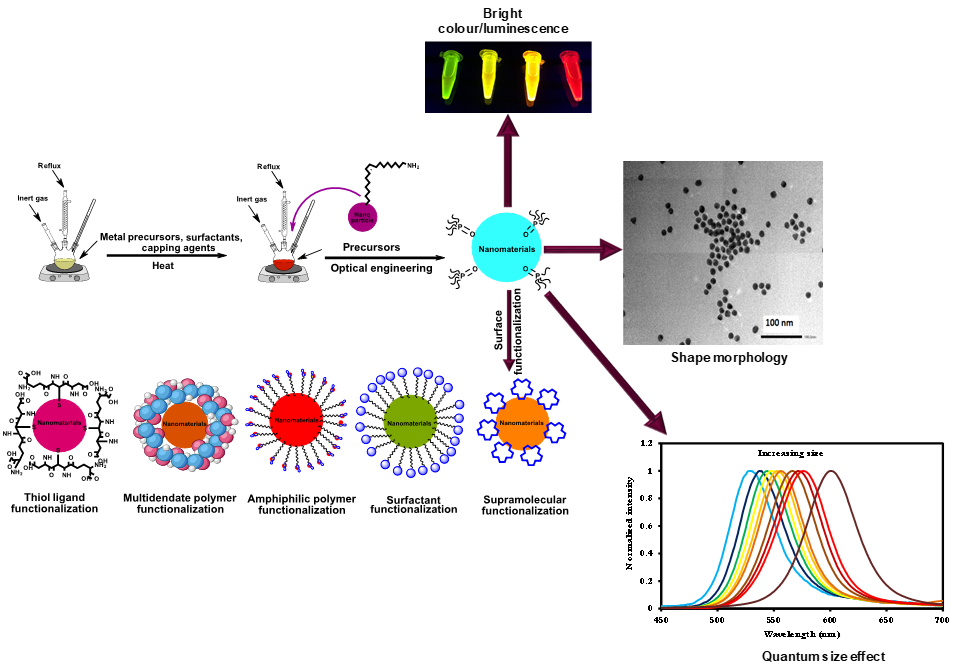
Heavy metal-free Quantum Dots Synthesis / Surface Chemistry / Size and Shape Control
Optical engineering of quantum dot nanocrystals has the potential to generate nanostructured materials that can revolutionize the research fields of chemistry, biology and physics. A major challenge is the preservation of the luminescence property of the quantum dots and the generation of high fluorescence quantum yield after conversion of the hydrophobic nanocrystals to hydrophilic nanocrystals. Secondly, the inherent toxicity of quantum dots has hampered their utilization in real-life applications.
My group's research is focused on the development of novel synthetic fabrication methods for single ensemble luminescent nontoxic quantum dots via band gap optical engineering to produce quantum dots with unique optical properties, well-defined quantum size and shape morphology and excellent photostability.
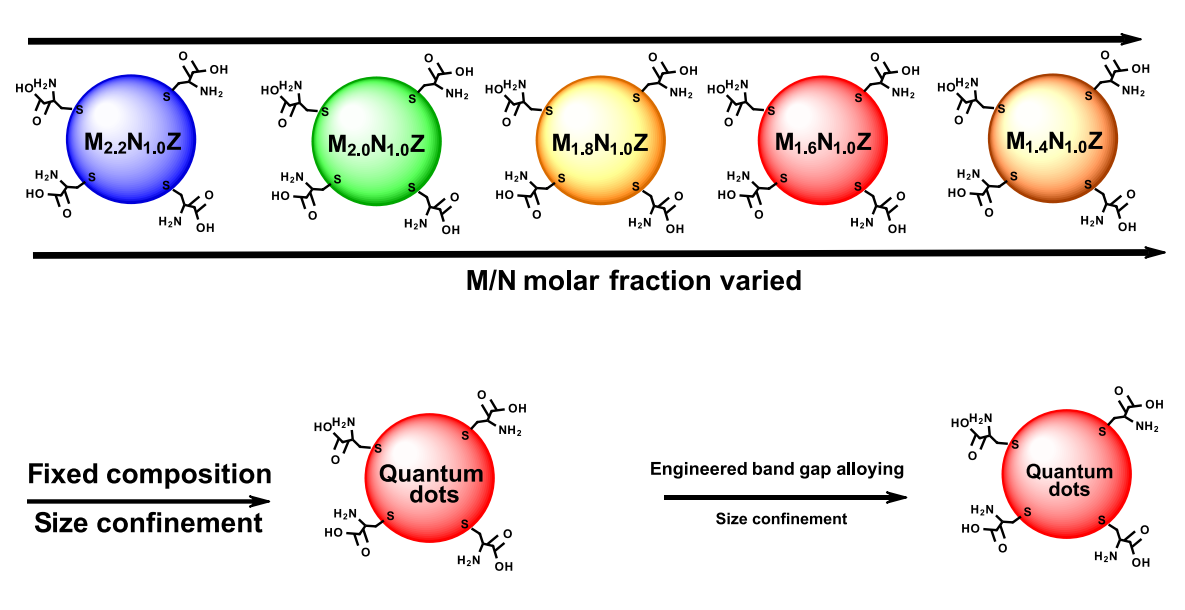
Engineered Band Gap Alloying of Quantum Dots
My group's research is focused on the band gap engineering of semiconductor quantum dot nanocrystals. This involves developing optimized synthetic parameters, discovery of new ligands and unravelling the right blends of precursors to engineer the quantum dots shape and size with the primary aim of tuning the QDs size across the UV/vis to the near infrared region.
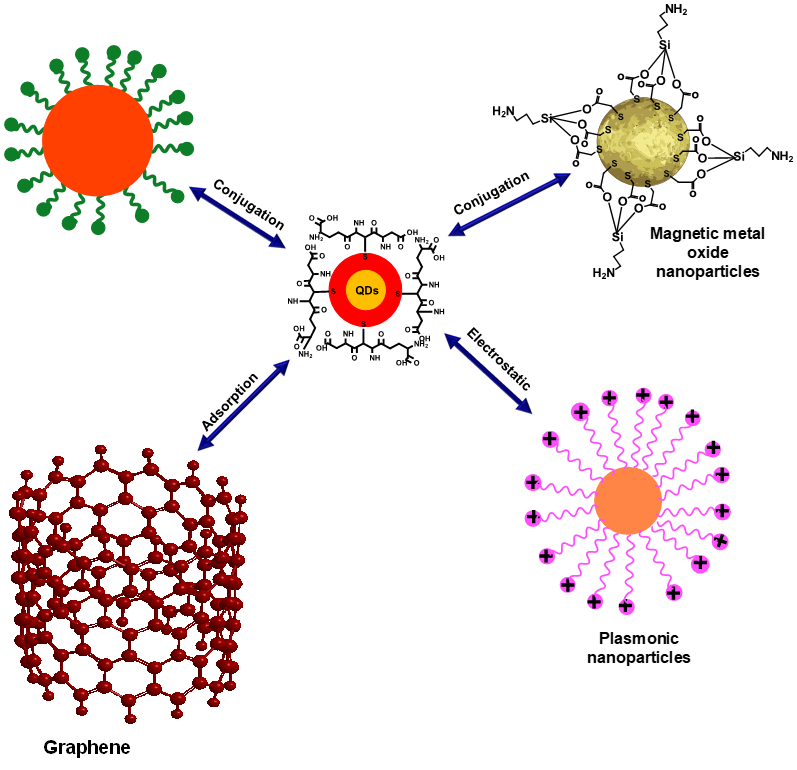
Quantum Dot Hybrid Nanostructures
My group's research is focused on the development of quantum dots hybrid nanostructures that combines the properties of both the quantum dots and other nanomaterials to create assembled nanostructured systems with unprecedented properties.
Nanobiosensors
My group's research focuses on the development of point-of-use nanomaterial-based colorimetric, fluorescence, electrochemical, and field-effect transistor biosensors for applications in food safety, defence and security, biomedicine, and environmental monitoring.
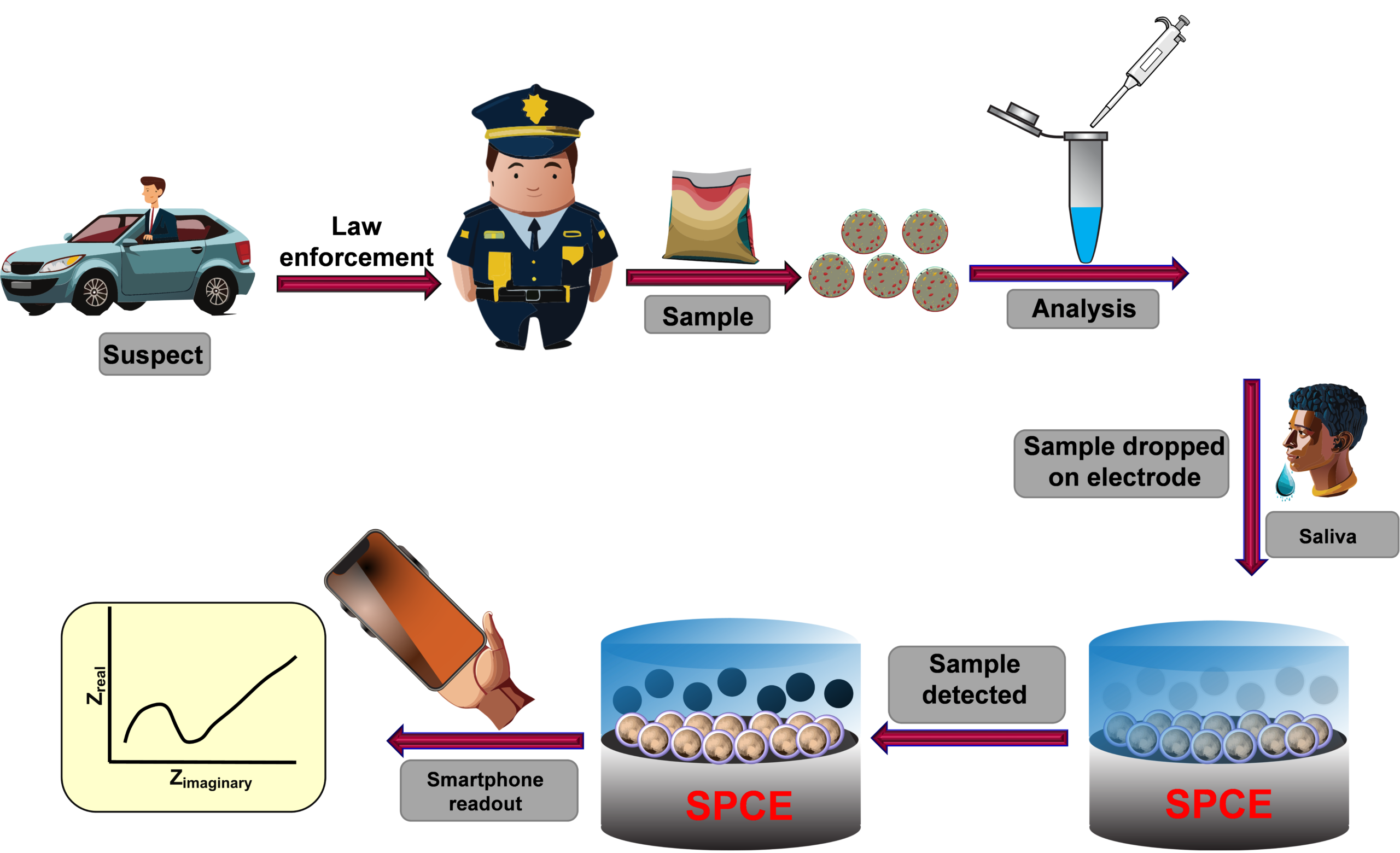
Electrochemistry
Our electrochemical research focuses on the development of advanced nanomaterial-based sensing platforms for rapid, sensitive, and portable detection of biomedical, forensic, food, and environmental targets. We integrate quantum dots, metal nanoparticles, graphene derivatives, and functional nanocomposites with electrochemical transduction techniques to create innovative diagnostic and analytical systems.
The research combines sensor fabrication, surface functionalisation, and smartphone-assisted readout technologies for real-time applications in healthcare, toxicology, food safety, and environmental monitoring.
Colorimetry
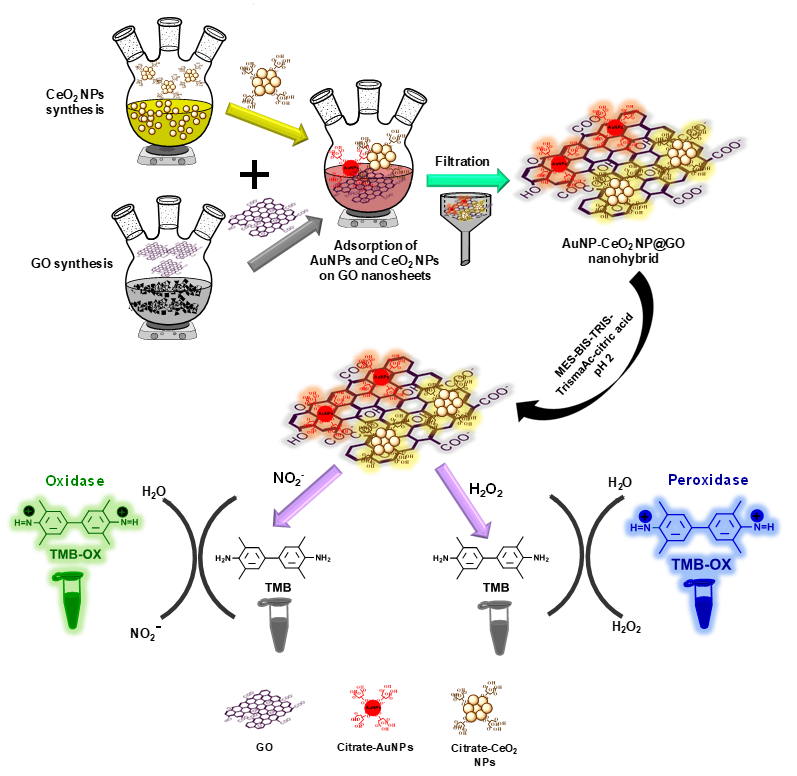
Our research also focuses on nanomaterial-enabled colorimetric biosensors for rapid and visual detection of biomedical, forensic, food, and environmental targets. We develop functional nanocomposites, nanozymes, quantum dots, graphene-based materials, and plasmonic nanoparticles with oxidase- and peroxidase-like catalytic activity for sensitive color-based sensing platforms.
These systems enable low-cost, portable, and easy-to-use detection approaches suitable for point-of-care diagnostics, forensic screening, food safety monitoring, and environmental analysis.
Metal-enhanced Fluorescence
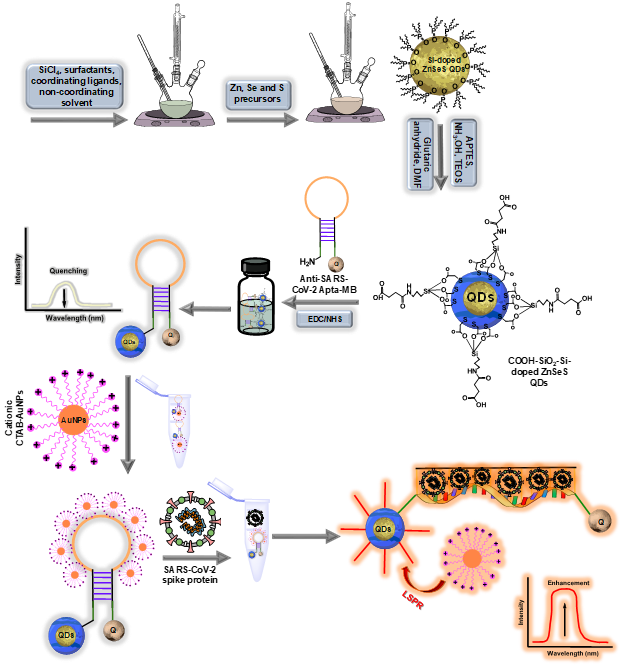
We develop metal-enhanced fluorescence (MEF) nanosystems by integrating quantum dots, plasmonic nanoparticles, graphene derivatives, antibodies, DNA aptamers, and molecularly imprinted polymers for ultrasensitive optical biosensing. Our research focuses on controlling plasmon–exciton interactions and nanomaterial interfaces to amplify fluorescence signals for rapid and selective detection of biomedical, forensic, food, and environmental targets.
These platforms support highly sensitive, portable, and real-time diagnostic technologies for next-generation sensing applications.
Field-effect Transistor (FET)
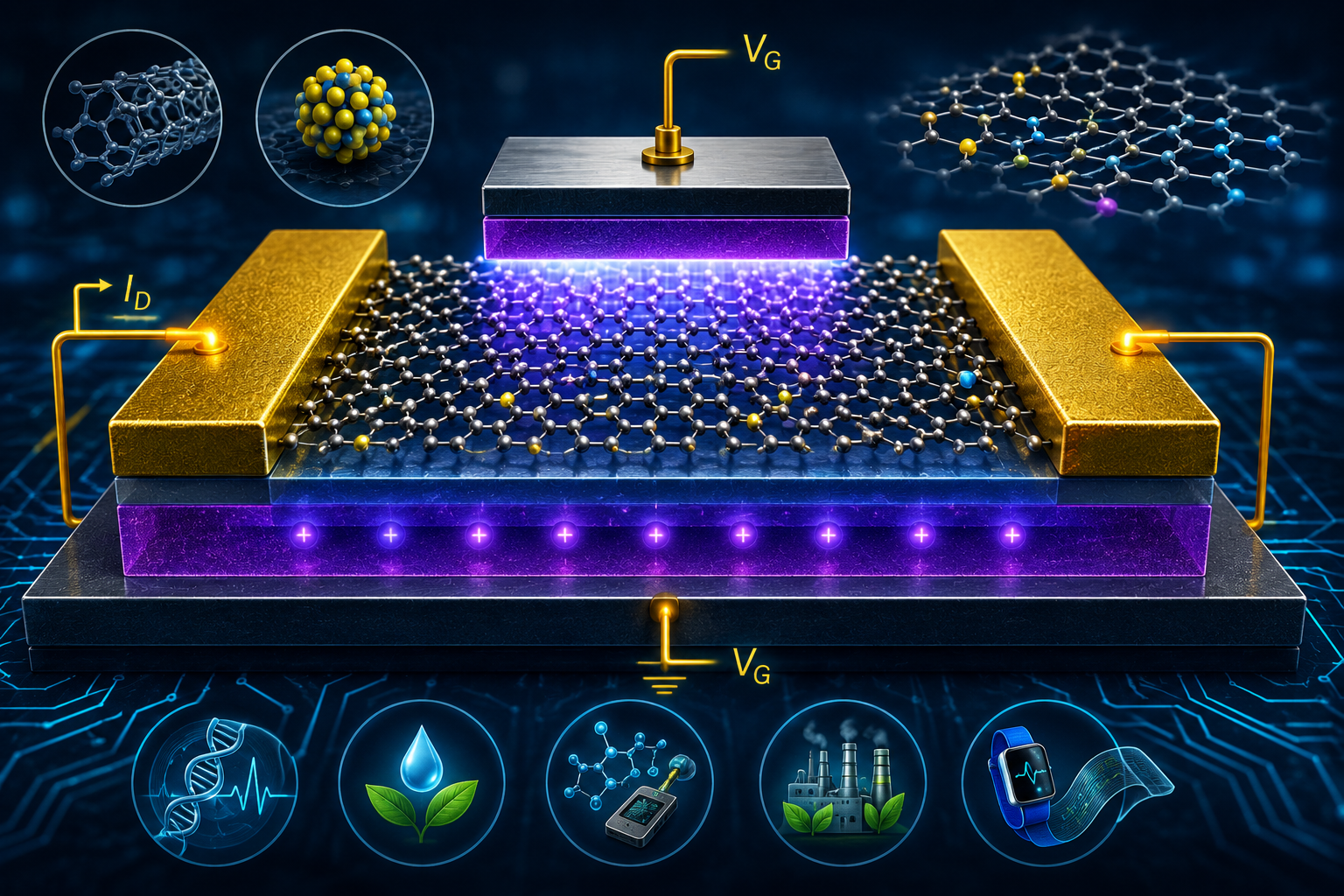
Nanomaterial-based field-effect transistor (FET) sensors are being developed in our research group for rapid, ultrasensitive, and label-free detection of biomedical, forensic, food, and environmental targets. Our work integrates advanced nanomaterials, including graphene derivatives, quantum dots, metal nanoparticles, and hybrid nanocomposites, into FET platforms to enhance charge transport, surface interactions, and signal amplification.
These devices are engineered for real-time detection of biomolecules, pathogens, drugs, toxins, and environmental contaminants with high selectivity, portability, and low detection limits for next-generation sensing applications.